

Affordable Ways to Create a Healing Home Environment
Apr 23
4 min read
Creating a home that feels like a sanctuary can improve your well-being and reduce stress. You don’t need to spend a fortune to make your living space calming and restorative. Small, thoughtful changes can transform your home into a healing environment that supports your mental and physical health. This post shares practical, budget-friendly ideas to help you build a peaceful space where you can recharge.

Use Natural Light to Boost Mood
Natural light has a powerful effect on mood and energy. It helps regulate your body’s internal clock and can reduce feelings of anxiety and depression. To bring more natural light into your home without spending much:
Open curtains and blinds fully during the day. Remove heavy drapes and replace them with sheer curtains to let in more sunlight.
Place mirrors opposite windows. Mirrors reflect light and make rooms feel brighter and larger.
Keep windows clean. Dirt and dust block sunlight, so regular cleaning helps maximize light.
Use light-colored paint or decor. Whites, creams, and pastels reflect light better than dark colors.
Even small changes like these can make your home feel more open and uplifting.
Bring Nature Indoors with Plants
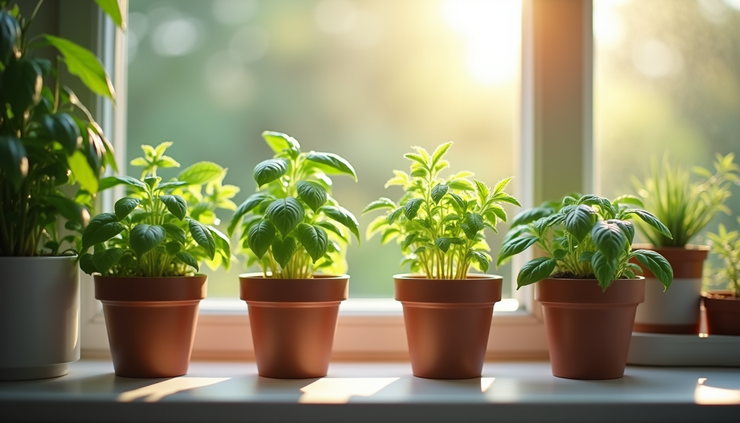
Plants improve air quality and add a calming, natural element to your space. You don’t need expensive or high-maintenance plants to get these benefits. Some affordable, easy-to-care-for options include:
Spider plants. They thrive in indirect light and help remove toxins.
Pothos. This trailing plant grows well in low light and looks great on shelves.
Succulents. Require minimal watering and come in many shapes.
Herbs. Small pots of basil, mint, or rosemary add greenery and can be used in cooking.
Place plants near windows or in corners where they can get some light. Grouping several plants together creates a mini indoor garden that feels refreshing.
Create a Relaxing Color Palette
Colors affect emotions and energy levels. Choose calming colors to promote relaxation and healing. You don’t have to repaint every wall; adding accents and accessories in soothing tones works well.
Soft blues and greens evoke nature and calmness.
Warm neutrals like beige, taupe, and soft gray create a cozy atmosphere.
Pastel shades add gentle color without overwhelming the senses.
Use throw pillows, blankets, rugs, or artwork to introduce these colors. Even small touches can shift the mood of a room.
Declutter to Clear Your Mind
Clutter can increase stress and make it hard to relax. A tidy space helps your mind feel clear and focused. Decluttering doesn’t mean getting rid of everything, but organizing and simplifying your belongings.
Sort items into keep, donate, and discard piles. Be honest about what you really use and love.
Use storage bins and baskets to keep things out of sight but accessible.
Create designated spots for everyday items like keys, mail, and electronics.
Clean regularly to maintain order and freshness.
A clutter-free home invites peace and makes it easier to enjoy your space.
Use Aromatherapy with Essential Oils
Scents influence mood and can promote relaxation or energy. Essential oils are an affordable way to add healing aromas to your home.
Lavender helps reduce anxiety and improve sleep.
Eucalyptus clears the airways and refreshes the mind.
Citrus oils like orange or lemon uplift and energize.
Peppermint can boost focus and relieve headaches.
Use a diffuser, add a few drops to cotton balls, or mix oils with water in a spray bottle for a natural room spray. Always follow safety guidelines and avoid direct skin contact.
Incorporate Comfortable Textures
Comfortable textures invite relaxation and make your home feel nurturing. You don’t need expensive fabrics to create cozy spots.
Soft blankets and throws in natural fibers like cotton or wool add warmth.
Plush pillows support restful seating.
Rugs soften hard floors and reduce noise.
Curtains in breathable fabrics filter light gently.
Mix and match textures to add depth and comfort to your rooms.
Designate a Quiet Space for Rest
Having a specific area dedicated to rest and mindfulness supports healing. This space should be free from distractions and filled with calming elements.
Choose a corner or small room with good natural light.
Add a comfortable chair, floor cushion, or yoga mat.
Include items that help you relax, like books, candles, or a journal.
Keep the space tidy and uncluttered.
Use this spot for meditation, reading, or simply sitting quietly to recharge.
Use Sound to Enhance Calm
Sound affects how we feel. Adding gentle, soothing sounds can create a peaceful atmosphere.
Play soft instrumental music or nature sounds like rain or ocean waves.
Use a small water fountain for gentle water sounds.
Keep noise levels low by closing windows or using rugs to absorb sound.
Avoid loud or harsh noises that can increase stress.
Choose Non-Toxic Cleaning Products
The air quality in your home affects your health. Many conventional cleaning products contain chemicals that can irritate the lungs and skin.
Look for natural or homemade cleaning solutions using ingredients like vinegar, baking soda, and lemon.
Use fragrance-free or plant-based products.
Open windows when cleaning to ventilate.
Cleaner air supports healing and reduces allergy symptoms.
Add Personal Touches That Bring Joy
Your home should reflect what makes you feel happy and safe. Personal touches create emotional comfort.
Display photos of loved ones or favorite places.
Include artwork or crafts you enjoy.
Use meaningful objects like souvenirs or gifts.
Choose scents, colors, and textures that resonate with you.
These details make your space uniquely yours and support emotional well-being.


Comments